Adventure Travel & Podcasting with Chris Christensen – The Amateur Traveler
Chris Christensen Podcast
SEASON 1 EPISODE 15 – SUMMARY
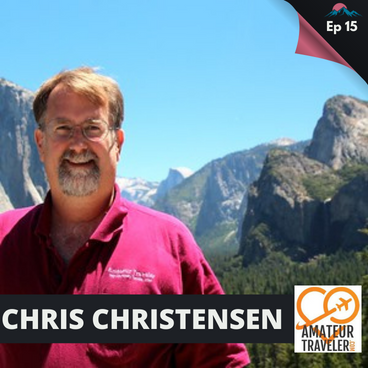
Exploring the World Through the Lens of Veteran Podcaster – Chris Christensen The Amateur Traveler
In episode 15 of “The Adventure Diaries,” host Chris Watson sits down with Chris Christensen, the seasoned voice behind the popular “Amateur Traveler” podcast.
The episode is a journey through the essence of travel, culture, and the intricate balance between exploring and immersion.
Subscribe and listen on a major platform


Early Inspirations and the Language of Travel
Christensen’s travel tales begin in the scenic stretches of national parks and the compact space of a 14-foot travel trailer. His early memories are not just about the places but the experiences that shaped his understanding of travel as a medium to connect with the world. As he recalls, “It was where I really learned to love travel and maps and all that sort of thing.”
Languages came later in Christensen’s life, spurred by his travels rather than his upbringing in a diverse community. He shares a humorous anecdote about learning Italian just in time to connect more authentically with locals during a friend’s birthday celebration in Tuscany—a testament to how language can transform tourist encounters into genuine cultural exchanges.
Podcasting: A Medium of Endurance and Evolution
Christensen, who started podcasting in 2005, has witnessed and contributed to the evolution of the medium. He muses on the early days when podcasting was still a fledgling platform and shares insights into its growth, reflecting on how his show has adapted and thrived through changes in technology and listener engagement. His commitment is mirrored in the staggering 800+ episodes he has produced, marking him as a stalwart in the podcasting world.
The Power of Community and Shared Experiences
One of the most profound elements of Christensen’s podcasting journey is the community he’s built. From small meetups to group trips with listeners, he emphasizes the unexpected friendships and deep connections formed through shared adventures. These gatherings go beyond typical fan interactions—they are reunions of like-minded souls, brought together by a love of travel and discovery.
Memorable Journeys and Lessons Learned
Christensen’s anecdotes extend from the serendipitous to the transformative, including dining experiences that turned into familial gatherings in Italy and language barriers that became lessons in humility and humor. Each story is a thread in the vibrant tapestry of his travel experiences, woven with insights that only years of adventurous living can provide.
Invitations to Explore
True to the spirit of “The Adventure Diaries,” the episode is not just about looking back but also steering forward. Christensen extends an invitation to listeners to join him on organized trips, offering a chance to experience the world’s wonders firsthand, guided by his seasoned perspective.
Reflections on Cultural Immersions
The conversation also delves into deeper reflections on cultural immersion, the nuances of global cuisines, and the ethics of travel. Christensen’s thoughts on being an informal ambassador through travel resonate deeply, emphasizing the role of respect and openness in global exploration.
Episode Takeaways
- Early Inspirations: Chris Christensen passion for travel was ignited by childhood trips to national parks.
- Language Learning: Emphasizing the cultural connection that language learning can facilitate.
- Podcasting Milestones: Reflecting on over 800 episodes and the evolution of digital storytelling.
- Community Building: The surprising depth of connections made through travel and podcasting.
- Cultural Immersion: Experiences that show the value of diving into local cultures during travels.
Call To Adventure
Chris Christensen’s Invitation: “And I’m actually taking a group to Morocco and there are spaces on that next April. So if you’re interested, go to and, uh, and join me in, in Fez and in Northern Morocco.”
- Location: Northern Morocco
- Opportunity: Join Chris Christensen on a guided tour to explore the rich cultural tapestry of Morocco.
- UPDATE: This Morocco Trip has now concluded BUT be sure to visit AmateurTravler.com/Trips for more opportunities to join Chris and the community
Pay It Forward
- Doctors Without Borders: “Doctors Without Borders is one that I’m fond of just because of the work that they do. And my wife works in healthcare, so she knows some of the doctors that she works with, that is their charity. That is what they do in their off time as they go down to these places where healthcare is not as readily available and volunteer their time for that.”
- Organization: Doctors Without Borders
- Activities: Providing healthcare in under-served areas
- Personal Connection: Recommended based on personal connections and the significant impact of their work in global health.
Want Your Own Adventure?
Book It With the Adventure Diaries
Have Your Own Adventure Experience >>

More Season 1 Episodes

I’m the Host of Adventure Diaries Podcast & Scottish Micro Adventurer.
I Invite you into a world of Adventure and incredible conversations with remarkable Adventurers, Explorers, and those curious about our Natural World.
Please Follow The Show & Join The Adventure Letter For Subscriber Only Content!