First Descent Of Essequibo River, Guyana with the Wai-Wai Tribe
Ness Knight Podcast
SEASON 2 EPISODE 1 – SUMMARY
In this first episode of The Adventure Diaries, Season 2 host Chris Watson chats with adventurer Ness Knight about her incredible expedition descending the Essequibo River in Guyana.
Ness, along with fellow explorers Pip Stewart and Laura Bingham, achieved a world-first by navigating this remote river from its source to the sea.
Their journey was made even more special by the guidance and support of the Waiwai tribe, an indigenous group living in the pristine rainforests of Guyana.

Subscribe and listen on a major platform


A Unique Adventure In Guyana
The Essequibo River, the third-largest river in South America, presented numerous challenges and unparalleled beauty. Ness recalled how they were taken in by the Waiwai community, who shared their deep knowledge of the jungle. “The Waiwai warriors taught us everything about surviving in the jungle. From foraging to understanding the flora and fauna, their knowledge was invaluable,” Ness said.
Ness described the first part of their journey where they traveled upstream with the Waiwai warriors to locate the river’s source. “We were essentially jungle toddlers compared to them,” Ness admitted. The group’s tactic was simple yet effective: observe, imitate, and learn. This approach eventually earned Ness a unique honor. “By the end of our time with them, they named me their first female warrior,” Ness shared with a mix of pride and humility.
Expedition Challenges and Close Calls
Ness’s story isn’t just one of exploration but also of overcoming significant dangers. She recounted a harrowing moment when a juvenile pit viper nearly bit Pip Stewart. “It was an inch away from her butt cheek,” Ness laughed, though it was no joke at the time. A bite could have ended their expedition prematurely.
Health issues also posed threats. Ness talked about a severe infection she developed on her foot, which ballooned up and caused immense pain. Pip contracted leishmaniasis, a flesh-eating parasite that later required chemotherapy to treat. Despite these dangers, their determination saw them through.
A New Perspective on Wildlife Conservation
An essential theme in Ness’s adventures is her passion for wildlife conservation. During their expedition, they witnessed the detrimental impacts of illegal logging and mining. “Seeing the devastation from these activities was heart-wrenching,” Ness said. This experience has fueled her ongoing work, including a documentary on the illicit rhino horn trade. “It’s a project that’s taking years, but it’s crucial to raise awareness about these issues,” she emphasized.
Ness plans to undergo anti-poaching training to better understand and document the challenges faced by rangers in southern Africa. “These guys are out there with minimal support, doing one of the toughest jobs on the planet,” Ness pointed out, highlighting the need for more direct support for these conservation heroes.
The Power of Teamwork
Reflecting on her team dynamics, Ness underscored the strength of her bond with Pip and Laura. “You develop deep, lifelong friendships in these intense environments,” Ness explained. Their friendship has endured because of the mutual respect and understanding forged through their shared challenges.
Ness also compared team expeditions to solo adventures, having undertaken both types. While solo journeys offer unique opportunities for personal growth, teamwork brings diverse skills and perspectives that can achieve incredible outcomes. “You can go a lot further with the right team around you,” she asserted.
Episode Takeaways
- The Essequibo River expedition was the first descent from source to sea.
- Ness Knight was named the first female warrior by the Waiwai tribe.
- The expedition faced numerous challenges, including dangerous wildlife and severe health issues.
- Ness is passionate about wildlife conservation and is working on a documentary about the illicit rhino horn trade.
- Team dynamics and mutual respect were crucial for the success of the expedition.
Call To Adventure
- Call To Adventure From Ness Knight:
- “The hardest thing about adventure and exploration and all of these projects is getting to the start line. We just don’t get to the start line because it seems insurmountable, it’s so complex, we don’t have time, we don’t have money.”
- My call is to ask people to whatever that thing big or small is, make it so that there’s no plan B. So book that course. Book the flight out even though you don’t have the logistics or the funding in place. Just make something so that there is no way of turning back from what you have committed to.”
- Just make that one hard commitment that forces you to go ahead with it. I don’t care how big or small it is. Get to that start line. Because once you’re there, momentum takes hold. You’ll be fine.”
Pay It Forward
- How To Pay It Forward – From Ness Knight:
- “Instead of just trying to find a cause to give money to these guys that are out in southern Africa across the world doesn’t matter where it is who are doing anti-poaching or you know, trying to be conservation guardians for wildlife, especially in southern Africa. If you could find a way to get things like boots out to them.
- Equipment, clothing, shoes, that are military, you know, army grade stuff out to them. Because that is the big thing, you know, they’re trying to do one of the most difficult jobs on the planet in terms of the length of time that they’re out there, under the conditions that they’re out there, literally trying to do survival of foraging out there, as well as look after these wildlife.
- If you could just do a little bit of Googling and find where there might be anti-poaching units that you could just literally find a way to get a group of people and send some army equipment out there. Boots, clothing would be fantastic because they can do their job so much better with that.
CONCLUSION
Ness Knight’s journey down the Essequibo River is a testament to human endurance, the importance of cultural exchange, and the critical need for conservation.
Her story inspires us to push beyond our limits and protect the natural world we are privileged to explore.
Want Your Own Adventure?
Book It With the Adventure Diaries
Have Your Own Adventure Experience >>

More Season 1 Episodes
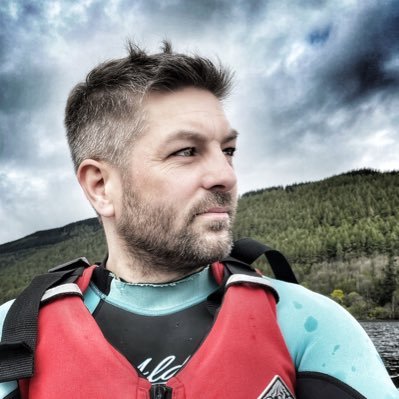
I’m the Host of Adventure Diaries Podcast & Scottish Micro Adventurer.
I Invite you into a world of Adventure and incredible conversations with remarkable Adventurers, Explorers, and those curious about our Natural World.
Please Follow The Show & Join The Adventure Letter For Subscriber Only Content!