Alastair Humphreys isn’t just an adventurer. He’s a disruptor of comfort zones, a cartographer of the inner life, and the guy who made sleeping on a hill after work not only sound possible—but meaningful.
When he joined me on the Adventure Diaries podcast, I thought we’d talk about epic expeditions and adrenaline highs.
We did. But what we found along the way was something far more human.
Our conversation traced the arc of Alastair’s transformation—from a 24-year-old teacher with itchy feet and a one-way ticket to adventure, to a global explorer who’s just as passionate about a patch of woods near his shed as he once was about the Patagonian wilds.
Alongside his bike rides through 60 countries, rowing across the Atlantic, and violin-busking his way across Spain, what stood out most was how Alastair has redefined adventure on his own terms.
It’s not just about going big. It’s about going deep—even if it’s only a mile from your doorstep.
Alastair’s four-year round-the-world cycling trip began with a dream and a paper map. No GPS. No phone. Just his legs, curiosity, and a hunger for the unknown.
He recalls internet cafés filled with teenage gamers and the thrill of sending a rare email home. More importantly, he remembers the kindness of strangers—meals shared, doors opened, moments of human generosity that continue to shape how he sees the world.
But adventure wasn’t all wide landscapes and romantic sunsets. The loneliness was raw. The mental challenge of being truly solo—no friends, no familiar faces for months—was one of the greatest hurdles.
“I assumed it would be a physical challenge,” Alastair said, “but it was so much more mental than I expected.” Still, it forged in him a kind of quiet resilience, the kind you can’t fake or buy.
Then came the violin. Not a metaphor—a literal, squeaky, poorly played violin. Inspired by Laurie Lee’s As I Walked Out One Midsummer Morning, Alastair walked 500 miles across Spain, earning his dinner by busking tunes he barely knew.
The trip wasn’t about the miles. It was about facing fear—the kind that grips your stomach, not your ice axe.
Playing in front of strangers terrified him more than deserts or oceans. But that was the point. To fail. To flounder. To feel fully alive.
In a world chasing Everest, Alastair has turned his focus to the overlooked. The ordinary. The hyper-local. His latest book, Local, dives deep into the small. One Ordnance Survey map. One year. One grid square a week. “I thought it would be boring,” he said. “I was wrong.” His exploration revealed wildness hiding in plain sight—and a jarring absence of wildlife. “I found it quite depressing at times,” he admitted. But he also found beauty in decay, wonder in wastegrounds, and meaning in slowness.
With Local, Alastair isn’t just mapping land. He’s mapping mindset. “Adventure doesn’t have to mean far away. If it feels like an adventure to you—it is one.” From kayaking in Scotland to walking across India, the thread that binds his life is not scale—it’s intentionality. And now, with two kids and a full heart, his microadventures are even more radical: because they include home.
🎥🎙️ Watch & Listen Here: YouTube + Podcast Audio
Key Episode Takeaways
- Adventure is a mindset, not a mileage count.
- Kindness from strangers is universal—often most evident in the places we fear.
- Microadventures were born from real life constraints, not a marketing idea.
- Playing a violin badly in a Spanish plaza can be more terrifying than rowing an ocean.
- Our local landscapes are richer, wilder, and more urgent than we think.
- The absence of sharks on his Atlantic row was a stark reminder of environmental change.
- You don’t need time or money to start adventuring—just intention.
- Sometimes, walking into fear is the real adventure.
Quotes
“Adventure isn’t about distance. It’s about perspective. If it feels like an adventure to you—it is one.”
“I thought I was going for a physical challenge. What I found was loneliness—and what it taught me was resilience.”
“The idea of playing the violin in public terrified me more than rowing the Atlantic. That’s why I did it.”
“We’re the ones who love wild places—and yet we’re also the ones destroying them. That has to change.”
Facts Section
- Alastair cycled around the world from age 24–29, visiting 60+ countries.
- He completed the journey without a GPS, phone, or laptop.
- He rowed the Atlantic with three strangers after a last-minute invitation.
- His violin journey in Spain was based on five beginner tunes.
- The Local project explored 52 out of 400 grid squares in one map.
- He didn’t see a single shark during his Atlantic crossing.
- His podcast Living Adventurously was recorded during a Yorkshire cycling trip.
IDEAS Section
- Redefine adventure through scale rather than distance.
- Test fear through creative risks (like public busking).
- Use local exploration as environmental awareness.
- Adventure around your 5–9 life, not just 9–5 jobs.
- Take on the Local Seven Summits challenge using trig points.
- “Leave a Positive Trace” instead of just “Leave No Trace.”
- Embrace the #ASingleMap challenge for your neighborhood.
Summary + CTA:
Adventure doesn’t have to start with a plane ticket. It can start with a local map, a curious mind, and a willingness to face the uncomfortable. Whether it’s a hill outside your town or a violin in your hand, what matters is that it matters to you.
Tap into more episodes like this—full of real stories, rich landscapes, and honest conversation.
🎥🎙️ Watch & Listen Here: YouTube + Podcast Audio
Call to Adventure
Alastair’s Call to Adventure:
“Find your local Seven Summits. Search the seven trig points closest to you on the Trig Bagging website and go tag them. If you live in Norfolk and your hills are tiny—even better! What a fascinating place to explore.
Share with the hashtag #Local7Summit.”
Pay It Forward
- Right to Roam (England/Wales): Support access to wild spaces for everyone.
- Trash Free Trails: Adopt the “Leave a Positive Trace” ethic and clean as you go.
- Take the Jump: Explore six lifestyle shifts to reduce your footprint and live with more joy.
References
- Microadventures and Local – books by Alastair Humphreys
- Laurie Lee’s As I Walked Out One Midsummer Morning
- Cooling Ridge, Isle of Skye
- Kaveri River, India
- Patagonia and Torres del Paine
- Trash Free Trails
- Right to Roam campaign
- Trig Bagging Website
- #Local7Summit and #ASingleMap (Instagram Hashtags)
- Dom Gill’s tandem ride from Alaska to Patagonia
- Kenton Cool (podcast guest)
- Living Adventurously podcast
Final Call to Action:
If this conversation moved you—even a little—please consider following the Adventure Diaries podcast.
Hit that subscribe button, leave us a review, and share this episode with someone who might need a little push to chase their own version of adventure.
Your support fuels these stories—and the many more to come.
Adventure isn’t out there. It’s right here—waiting for you to say yes.
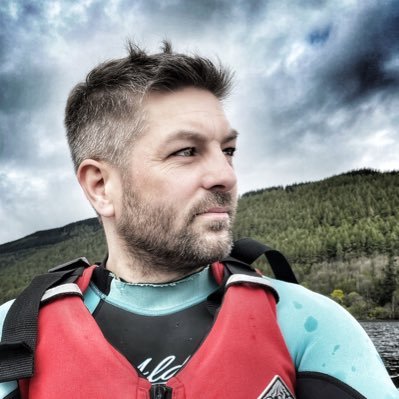
I’m the Host of Adventure Diaries Podcast & Scottish Micro Adventurer.
I Invite you into a world of Adventure and incredible conversations with remarkable Adventurers, Explorers, and those curious about our Natural World.
Please Follow The Show & Join The Adventure Letter For Subscriber Only Content!